AI & Camera Features in Modern Smartphones

In 2025, smartphone cameras have evolved far beyond mere image-capturing tools. With the integration of artificial intelligence (AI), today’s mobile devices are capable of producing professional-grade photos and videos with minimal user input. From real-time scene recognition to AI-driven portrait enhancement, computational photography has become a core pillar of smartphone innovation.
This article dives deep into how AI transforms smartphone photography, explores the latest breakthroughs, and helps you choose the right device to elevate your mobile photography game. 📱🤖
1. The Evolution of Smartphone Photography
A decade ago, smartphone cameras relied solely on sensor quality and lens design. But in 2025, software intelligence defines photographic excellence. The combination of AI algorithms, neural processing units (NPUs), and machine learning models allows smartphones to interpret scenes just like human eyes — or even better.
Today’s flagship phones can:
- Detect lighting conditions and adjust exposure instantly
- Identify subjects (people, pets, food, landscapes) in real-time
- Apply automatic corrections such as de-noising and sharpening
- Optimize images for social media sharing without losing detail
💡 Did You Know? Modern smartphone cameras use more AI calculations per photo than early NASA Mars rovers did for image processing!
2. How AI Enhances Your Photos
AI doesn’t just make photos look better — it understands what you’re trying to capture. Whether it’s a portrait, a cityscape at night, or a fast-moving subject, AI tailors camera settings dynamically.
Here’s what AI contributes to photography:
🔍 Scene Recognition
AI models trained on millions of photos identify what’s in your frame — be it food, nature, or architecture — and adjust color, contrast, and brightness accordingly.
🌃 Night Mode Magic
AI-powered long-exposure stacking merges multiple images for clear, noise-free night shots — no tripod required.
🧠 Computational HDR
Instead of one shot, the camera takes several at different exposures, merges them, and enhances contrast using deep learning.
👩🎨 Portrait Optimization
AI detects facial features, removes blemishes, adjusts skin tones, and balances light — all while maintaining a natural look.
🦾 Auto-Framing & Motion Tracking
AI ensures your subject remains in focus and centered, even if they move — great for vloggers and content creators.
💡 Pro Tip: Always enable AI Scene Detection in your camera settings. It dramatically improves photo quality without manual editing.
3. The Power of AI Video Recording
Smartphone videography has undergone the same transformation. AI now plays a vital role in stabilization, focus tracking, exposure control, and color grading.
- AI Stabilization: Eliminates shakiness by predicting and compensating for hand movements.
- Dynamic Framing: Automatically follows subjects, ideal for interviews or travel vlogs.
- AI Color Correction: Matches tones across scenes for cinematic consistency.
- Real-Time Depth Mapping: Creates DSLR-like bokeh effects while filming.
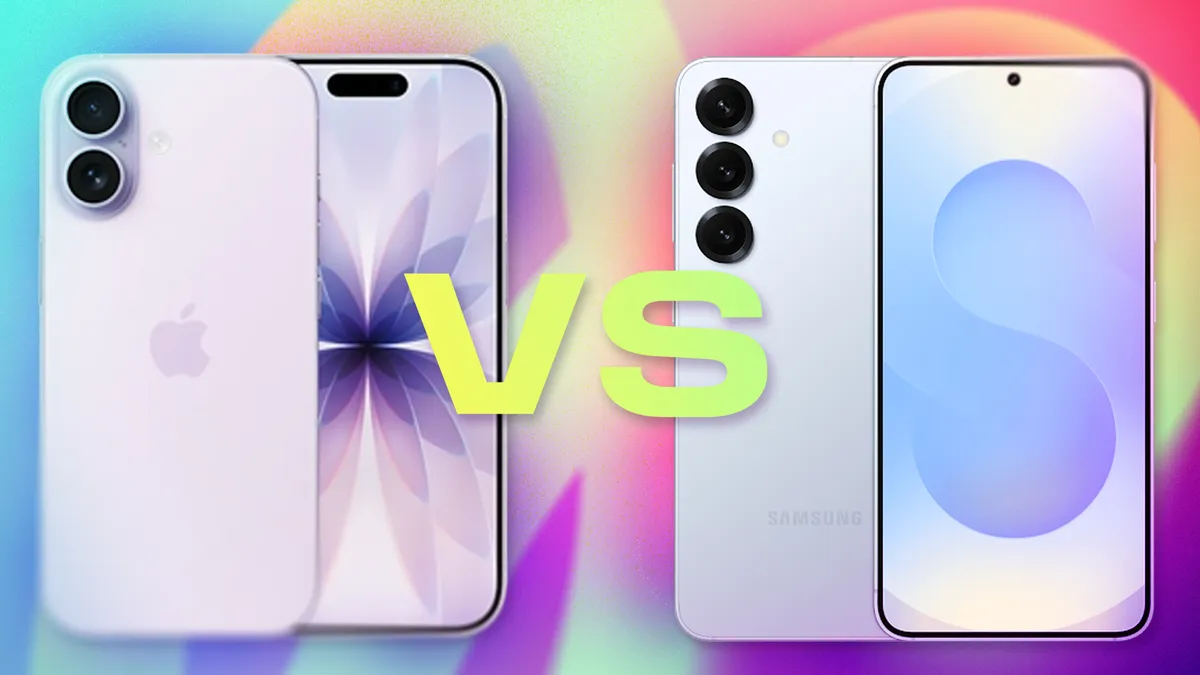
🎬 Example: The iPhone 16 Pro and Samsung Galaxy S25 Ultra both use AI to simulate a “cinematic mode” — keeping the main subject in focus while softly blurring the background, just like a Hollywood film camera.
4. Key AI Camera Features in 2025 Flagships
📱 Apple iPhone 16 Pro Max
- A18 Bionic + Neural Engine handles 25 trillion operations per second.
- AI-enhanced “Smart HDR 6” merges multi-frame exposures seamlessly.
- Real-time object separation in Portrait Mode with ultra-accurate edge detection.
- “Cinematic Mode 2.0” with AI-driven autofocus.
📱 Samsung Galaxy S25 Ultra
- AI Image Remastering enhances clarity and lighting balance post-capture.
- “Galaxy AI Zoom” produces crystal-clear 10x optical-like zoom using data fusion.
- Scene optimizer detects over 40 different environments.
- AI-powered noise reduction in 8K video.
📱 Google Pixel 9 Pro
- Tensor G4 chip with Photo Unblur 2.0 and Magic Eraser AI.
- Instant sky replacement and light balance correction.
- Real-time “Super Res Zoom” without losing details.
- Context-aware HDR blending for superior realism.
📱 Xiaomi 15 Ultra
- Dual AI co-processors for image segmentation and tone mapping.
- “AI Street Mode” recognizes patterns and adjusts shutter speed for motion freeze.
- Advanced RAW shooting with machine learning-based noise control.
💡 Fact: Most flagship phones in 2025 dedicate up to 30% of their processing power to camera-related AI computations!
5. How AI Helps Everyday Users Take Pro-Level Shots
You don’t have to be a professional photographer to take stunning images anymore. AI makes high-end results accessible to everyone.
Here’s how:
- Auto Composition: AI guides your framing based on rule-of-thirds or symmetry.
- Smart Suggestions: Recommends filters or aspect ratios depending on the scene.
- Instant Edits: AI retouches images right after capturing, saving editing time.
- Adaptive Brightness & Shadow Balance: Perfect photos even under challenging light.
💡 Pro Tip: Try Google Photos’ “Magic Editor” or Samsung’s “Remaster” tool — both rely on AI to auto-enhance photos with one tap.
6. Privacy & Ethics in AI Photography
As AI becomes more advanced, ethical and privacy concerns emerge. AI can recognize faces, identify locations, and analyze emotions — capabilities that must be handled responsibly.
🔐 Key Privacy Tips:
- Turn off “Face Tagging” if you don’t want automatic identification in albums.
- Review app permissions; not all third-party camera apps are safe.
- Avoid uploading raw portraits to unverified cloud platforms.
💡 Remember: AI makes your photos smarter, but you should stay in control of how that data is used.
7. The Future of AI in Smartphone Cameras
The next generation of smartphone photography is moving toward predictive and generative imaging:
- Predictive Capture: The camera anticipates motion and takes shots before you press the shutter.
- Generative Fill: AI recreates missing background or removes unwanted objects instantly.
- 3D Scene Capture: Smartphones will soon record spatial data for AR and VR use.
- Emotion-Aware Cameras: Future devices may adjust tone and lighting based on mood detection.
💡 Insight: Within the next 3 years, smartphone cameras may completely replace entry-level DSLRs for most users.
8. Best Smartphones for AI Camera Performance (2025 Ranking)
| Rank | Model | Highlight Feature |
|---|---|---|
| 🥇 1 | iPhone 16 Pro Max | Smart HDR 6 & Cinematic Mode 2.0 |
| 🥈 2 | Samsung Galaxy S25 Ultra | AI Zoom & Image Remaster |
| 🥉 3 | Google Pixel 9 Pro | Magic Eraser AI & Photo Unblur |
| 4 | Xiaomi 15 Ultra | AI Street Mode |
| 5 | OnePlus 13 Pro | Real-Time Exposure Optimization |
9. Final Thoughts
Artificial Intelligence has redefined smartphone photography forever. Whether you’re capturing sunsets, recording 4K videos, or snapping portraits of your friends, AI ensures that every shot looks its best.
The combination of powerful sensors and intelligent software now delivers results previously possible only with expensive professional cameras.
So, when you pick your next smartphone in 2025, don’t just check megapixels — look for AI photography features like smart HDR, adaptive lighting, and motion tracking. Because the true power of a modern smartphone camera lies not in its lens, but in its intelligence. 🤖📸



1 comment