Best Smartphones of 2025: Reviews & Comparisons

The smartphone market in 2025 is more vibrant and competitive than ever before. With new cutting-edge processors, AI-powered cameras, faster displays, and longer battery life, smartphones now cater to a wider range of users than ever. Choosing the right smartphone can significantly impact your productivity, gaming experience, photography, and daily life convenience. This guide will provide a detailed analysis of the best smartphones of 2025, comparing features, performance, battery life, camera quality, and software experience, while helping you make an informed decision. 📱
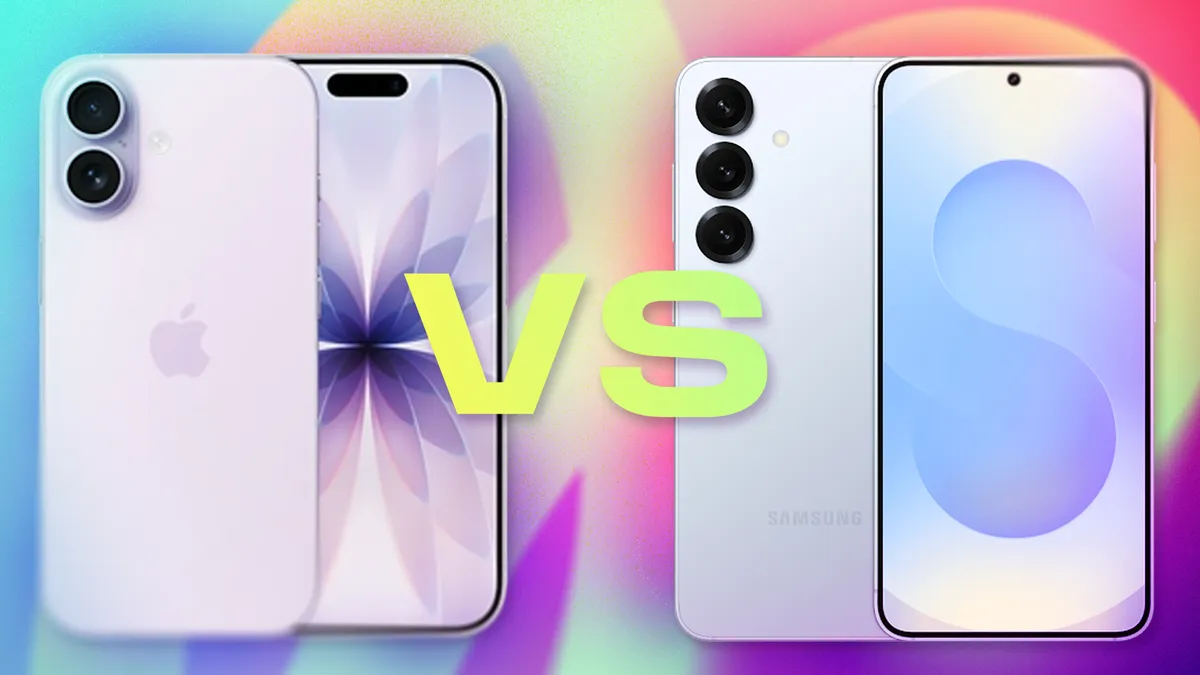
1. Premium Flagship Phones: iPhone 16, Samsung Galaxy S25, Google Pixel 8 Pro
The premium segment in 2025 is dominated by Apple, Samsung, and Google, offering cutting-edge technology, premium design, and ecosystem integration.
iPhone 16
Apple continues to innovate with the iPhone 16 series. Featuring the new A18 Bionic chip, ProMotion OLED display with up to 120Hz refresh rate, and cinematic video capabilities, the iPhone 16 ensures smooth performance for both heavy apps and gaming. The camera system has received major upgrades in low-light photography, portrait mode, and AI-powered image stabilization. iOS 19 ensures regular security updates and smooth software support. MagSafe and ecosystem integration make it ideal for users already in the Apple ecosystem.
Samsung Galaxy S25
Samsung Galaxy S25 impresses with its AMOLED display, multi-lens camera setup, fast charging technology, and DeX mode for productivity. Its AI-based camera features automatically enhance photos and videos, while the high-refresh-rate display offers smooth scrolling and gaming experiences. Samsung also provides long-term software updates, making it a reliable choice for those who value longevity.
Google Pixel 8 Pro
Google Pixel 8 Pro focuses on computational photography and AI-driven software enhancements. Night photography, portrait mode, real-time video processing, and AI-based suggestions make this device perfect for photography enthusiasts. With timely software updates and security patches, Pixel 8 Pro ensures long-term reliability.
💡 Tip: For long-term value, ecosystem integration, and software reliability, flagship phones remain the safest choice.
2. Mid-Range Smartphones: Samsung Galaxy A55, Xiaomi Redmi Note 14, Realme 12
Mid-range devices in 2025 have dramatically improved, offering high performance at affordable prices. They are perfect for users who want a reliable phone without paying flagship-level prices.
Samsung Galaxy A55
A reliable AMOLED display, smooth performance for everyday tasks, and long battery life make Galaxy A55 a great mid-range option. Samsung’s software support ensures regular updates and security patches.
Xiaomi Redmi Note 14
Xiaomi Redmi Note 14 delivers excellent camera performance, long-lasting battery, and solid build quality. MIUI 15 software optimizations enhance overall usability, making it a strong contender in this price segment.
Realme 12
Realme 12 provides a large display, good battery life, and AI-assisted photography. It balances performance and affordability, offering features that were previously exclusive to premium smartphones.
Mid-range smartphones now often include features like 5G connectivity, AI photography, and fast charging, making them highly competitive.
💡 Tip: If you want most premium features without paying full price, mid-range devices are the best value.
3. Budget-Friendly Smartphones
Budget smartphones in 2025 no longer compromise on essential features. Brands like Xiaomi, Realme, and Samsung now provide devices that deliver solid cameras, reliable performance, and decent battery life at very attractive prices.
Xiaomi & Realme Models
Offer impressive battery life, AI-assisted photography, and smooth software experiences. These phones are perfect for students, young professionals, or anyone looking for an affordable yet reliable smartphone.
Samsung Entry-Level Devices
Provide reliability, decent cameras, and software support even in the budget segment. Samsung’s affordable devices are popular for users who need a dependable phone for daily tasks.
💡 Tip: Always check battery life, camera quality, and software updates. Avoid extremely cheap phones with potential hidden defects.
4. Gaming and Multimedia Performance: ASUS ROG Phone 7, Lenovo Legion Y90
Gaming continues to shape the smartphone market. In 2025, gaming smartphones offer high refresh rate displays, advanced cooling systems, and long-lasting batteries.
ASUS ROG Phone 7
Features a 165Hz AMOLED display, advanced cooling system, gaming-optimized processor, and high-capacity battery. Perfect for hardcore mobile gamers.
Lenovo Legion Y90
Provides a similar high-performance experience, with smooth graphics rendering, haptic feedback, and customizable controls.
Even mid-range phones are now capable of handling casual gaming due to improved GPUs and AI performance optimization.
💡 Tip: For gaming, focus on thermal management, display quality, and battery life alongside processing power.
5. AI and Camera Features in Modern Smartphones
AI continues to revolutionize mobile photography and usability. Smart features like scene detection, low-light enhancement, and battery optimization make modern smartphones more intuitive than ever.
Flagship Phones
- Google Pixel 8 Pro and Samsung Galaxy S25 leverage AI for superior photography, real-time video processing, and predictive battery optimization.
Mid-range & Budget Devices
- Even budget and mid-range smartphones now support AI-assisted photography, automatic lighting adjustments, and software-based image stabilization.
📸 Tip: AI features can dramatically enhance photo quality, even for casual users.
6. Choosing the Right Smartphone
When choosing a smartphone, consider the following factors:
- Processor and GPU performance for apps and gaming
- Camera quality for photos and video recording
- Battery life and charging speed
- Software updates and long-term support
- Connectivity features like 5G, Wi-Fi 6, and Bluetooth 5.x
- Display quality, refresh rate, and brightness
Testing devices in real-world scenarios, comparing multiple options, and reviewing detailed tech analyses will help you make an informed choice. 🔥
7. Accessories and Ecosystem Compatibility
- Check whether the device supports wireless charging, fast charging, or reverse charging.
- Consider ecosystem integration: AirPods or Samsung Galaxy Buds, smart home devices, and wearable compatibility.
- Cases, screen protectors, and portable chargers can extend the life of your device.
💡 Tip: Investing in accessories that complement your phone can improve daily usability and long-term device longevity.
8. Long-Term Value and Software Support
Premium and some mid-range phones offer multi-year software updates. Choosing a phone with long-term support ensures:
- Security updates for years
- Access to new features and OS improvements
- Better resale value
💡 Tip: Always check manufacturer software update policies before purchasing.
9. Final Recommendations
- Premium Choice: iPhone 16 or Samsung Galaxy S25 for best camera, software support, and ecosystem integration.
- Mid-Range Choice: Samsung Galaxy A55 or Xiaomi Redmi Note 14 for high performance at a reasonable price.
- Budget Choice: Realme 12 or Samsung entry-level models for affordable yet reliable smartphones.
- Gaming Choice: ASUS ROG Phone 7 or Lenovo Legion Y90 for dedicated gamers.
With careful selection, you can find a smartphone that perfectly fits your needs, whether for photography, gaming, work, or everyday tasks. 🚀





15 comments